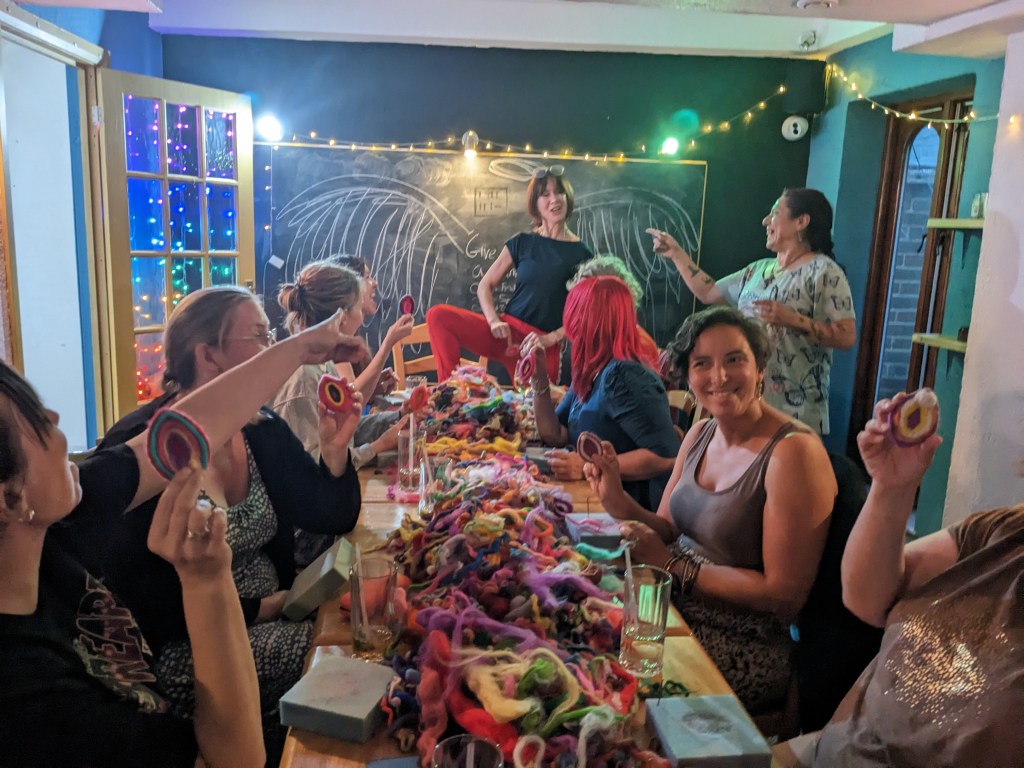
“These groups really have accounted for 90% of me maintaining any kind of sanity at this time. IT IS INVALUABLE TO MEET WITH PEOPLE WHO KNOW EXACTLY WHAT YOU’RE GOING THROUGH. It really can’t be overestimated.” – Participant Feedback
Feedback from our participants over the last year has shown that the Menopause and Mind project has had a significant impact in creating inclusive, creative, and supportive spaces for those navigating menopause. Participants have found these sessions invaluable, offering a vital platform to share experiences, explore solutions, and foster empathy. The inclusion of creative activities enhances engagement, providing both a sense of accomplishment and emotional support. Many attendees credit these groups with strengthening their resilience and overall well-being, with some stating that they would have struggled significantly without this supportive space. By normalising open conversations, laughter, and shared encouragement, the project has reduced isolation and helped individuals feel more equipped to manage menopausal challenges.
“The group increases understanding and helps deal with feelings of isolation.” – Participant Feedback
A key aspect of the project is validating shared experiences, including the often-overlooked link between menopause symptoms, trauma, pre-existing health issues, Autism and ADHD, which impacts on the vast majority of our regular membership. This underscores the importance of peer support, empowerment, and a sense of belonging. Participants note that by fostering connections and providing a safe environment, the initiative enhances mental well-being, helping individuals navigate personal and professional challenges with reduced stress.
“These experiences & creative events have been a very important support to me. Meeting other people experiencing menopause has been incredibly informative, inspiring & comforting. They provide creative inspiration to learn how to cope with the challenges of menopause & share knowledge.” – Participant Feedback
Beyond individual impact, the project has contributed to broader community resilience by raising awareness and breaking down the stigma surrounding menopause. Providing accessible peer support highlights the importance of collective care, enabling peri- and post-menopausal individuals to continue contributing their energy to their families and communities. The initiative also has a positive impact on relationships, workplaces, and family dynamics by fostering understanding and inclusivity.
Despite its successes, our project has faced challenges, particularly in securing funding and accessible venues. As a grassroots, by-us-for-us initiative led by peri-menopausal women and non-binary individuals, limited financial resources and venue availability have occasionally hindered its ability to provide consistent support. The need to ask for a small event fee or settle for less-inclusive spaces posed difficulties, particularly for those with anxiety or economic struggles. Societal stigmas around menopause and mental health further complicated efforts to secure funding and external support, while shared mental health challenges sometimes made sustained leadership difficult.
To address these barriers, Menopause and Mind has built partnerships with local organisations, negotiated affordable venue access, and collaborated with other grassroots initiatives. Additionally, we have drawn on the expertise of participants, including NHS and voluntary sector professionals, to strengthen our organising efforts. We have delivered free sessions to the Women’s group through Justlife charity, connected with Age UK about possible collaborations, and continued our partnership and liaison with Brighton Women’s Centre.
The project has also gained significant recognition beyond its immediate community. It has been featured in discussions on workplace inclusion, creative health interventions, and diverse menopause experiences. DIVA Magazine, which caters to LGBTQIA+ audiences, highlighted the project’s mission of inclusivity in menopause discourse through a podcast feature in The Relationship Room.
Additionally, our research study, I Suffer in Silence, published in March 2024, surveyed individuals in Brighton and Hove about menopause’s mental health impact. The findings underscored the urgent need for better workplace support and inclusive mental health resources, revealing that only 7% of respondents felt adequately supported during menopause. The report has been widely read and considered by medical professionals, GP surgeries, and the Sussex Integrated Care Board, as well as informing community groups across Brighton and Hove. It has also gained traction internationally, with hundreds of reads on ResearchGate and engagement from a Portuguese medical doctor who has incorporated its insights into holistic menopause care.
A Menopause and Mind board member, Kirsty Lumm, and our project manager, Heather McKnight, presented at an academic conference at Newcastle University, discussing the project’s approach and the potential of creative work in supporting menopausal mental health. This growing recognition, alongside increased media attention, reflects the project’s expanding role in reshaping conversations around menopause, mental health, and creative well-being.
2025 Menopause and Mind Research Survey
The second annual research survey has been completed, and the results, combined with feedback from our board and member events, will be released in May. This year, we had more than double the response to our survey from last year, with 63 people filling it in. The age range of survey respondents spanned from 40 – 78 years old, capturing many more who consider themselves post-menopausal and their reflections on their experiences and ongoing struggles. The age distribution was as follows: 35% were aged between 40 and 50, almost 52% between 50 and 60, and 3% were between 60 and 70, with 10% being 70 years or older.
These survey responses continue to demonstrate Accessing mental health support during menopause appears to be a significant challenge for many, with the majority of respondents stating they have not sought help, often due to long NHS waiting lists, financial constraints, or a lack of faith in available services. Those who did access support described mixed experiences. Some found counselling, CBT, or prescribed medication helpful, while others found them ineffective or even harmful, particularly when symptoms were dismissed or misattributed.
A recurring theme was frustration with NHS mental health services, which were often described as inadequate, slow, or unsuited to individual needs, especially for those with ADHD, autism, or trauma histories. Some turned to private therapy, but high costs meant many could only afford limited sessions, often with student therapists or low-cost services. A few individuals reported positive NHS experiences, particularly with mental health nurses or specialised wellbeing hubs. However, the overall sentiment reflected a lack of tailored, accessible, and effective mental health support for those navigating menopause-related challenges.
The full Report will be available in May/June 2025.
Summary of Events
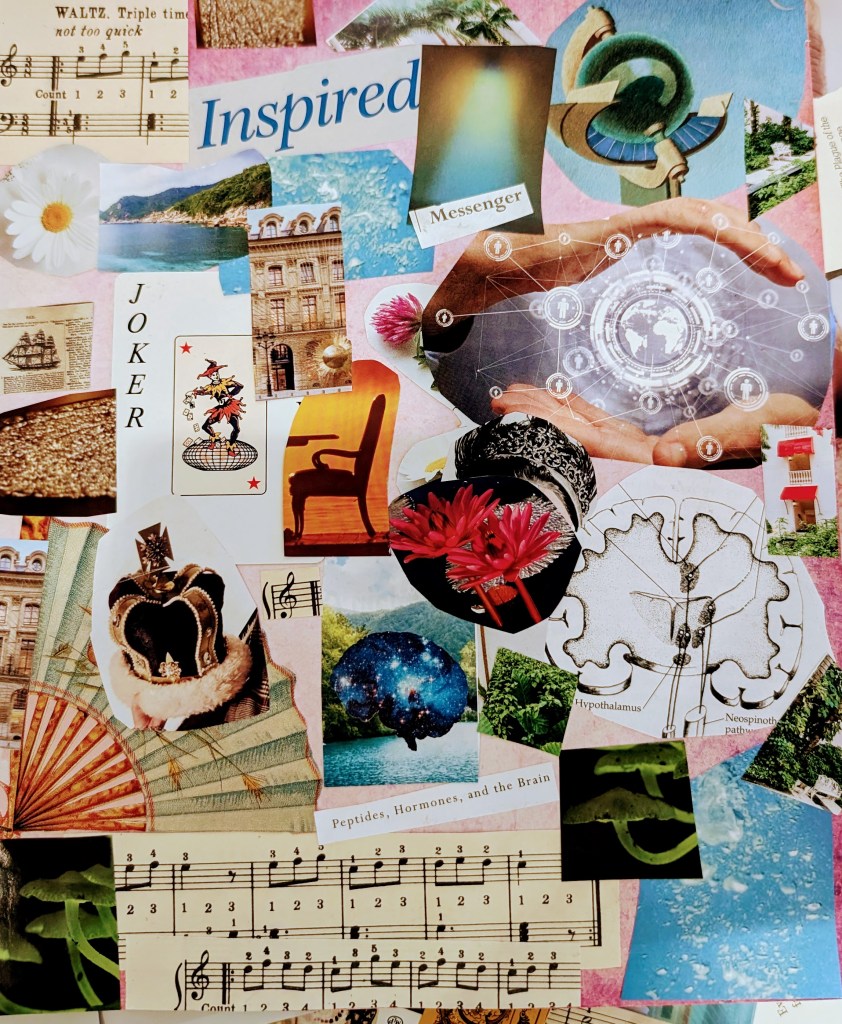

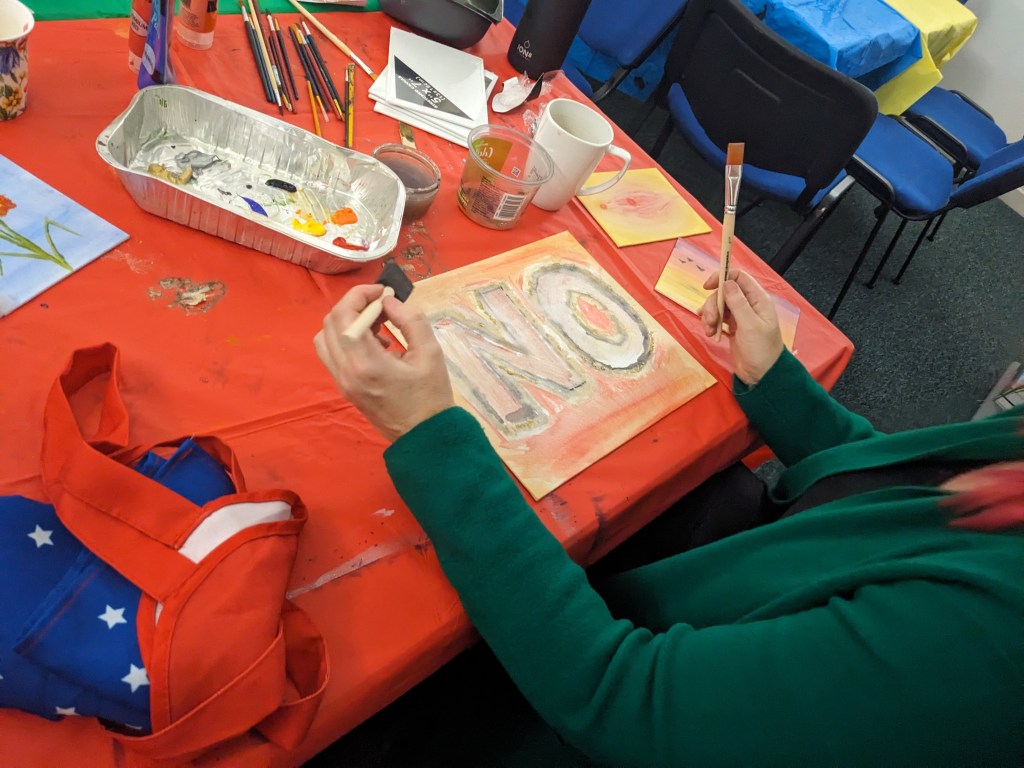
Our network numbers have risen to 176. We have a six-member board, a project manager, and also have introduced planning meetups with other members to gain input into planning, and get feedback in workshops. Our activities are member-driven, with a focus on being ‘by us’ in line with our ethos. The project is growing organically, demonstrating strong demand and a meaningful impact on individuals’ lives. Some attendees have transitioned from being supported to becoming session facilitators, sharing their professional skills, including documentary filmmaking, hypnotherapy, and art. We foster self-confidence and resilience, with attendees attributing their improved well-being and ability to navigate menopause challenges to the group.
Over the past year, Menopause and Mind in Brighton has organised a wide range of events centred on creative expression, mental health, and community support for individuals experiencing menopause. Although we have no fixed office space, we have run events in community spaces, The Queery, The Cornerstone Community Centre, and The Justlife Hub. Notable events include:
- Soundscape Workshops on ADHD and Menopause – Make Some Noise!
This has included two sessions so far, this workshop invited participants to create a soundscape reflecting their menopause experiences collaboratively. These sessions emphasised expression, exploration, and sharing through recording various sounds, fostering a unique auditory representation of individual journeys. - Felt a Fanny and Festive Felting! – Two different events run by an experienced felter this event offered a relaxed and welcoming environment for attendees to explore needle felting using premium merino wool. The session aimed to teach traditional felting art, promote creative expression, and foster community among participants.
- Re-Define Your Values at Menopause Workshop with Sally Garozzo
This online workshop, led by award-winning menopause podcaster Sally Garozzo, focused on helping participants reassess and define their values during menopause, providing strategies for personal growth and well-being during this transition. - Hypnotherapy Session – Explored self-hypnosis tools to help unlock the potential of the mind to reduce stress, overcome habits, improve focus, and promote healing.
- Mindful Movement Online – Encouraged a little time out of the busy day to experience the benefits of Mindfulness. The session consisted of short guided meditations, reflection and some gentle mindful movements to energise your body.
- Marbling the Menopause Workshop – Participants engaged in marbling techniques, using art as a medium to process, reflect, and transform their menopause experiences in a supportive and inclusive setting.
- Inner Kindness Workshops, Collage, Moulding the Menopause, Chalk Pastels, and Painting the Menopause – These regular workshop sessions are our core staple sessions, run by our consultants and wellbeing practitioners, which allow for creativity, healing, and the sharing of information in a safe and supportive setting.
These events underscore Menopause and Mind’s commitment to providing creative, supportive, and inclusive spaces for individuals navigating menopause, emphasising mental health, community connection, and personal empowerment. With a couple of exceptions where we had to charge a small fee to cover costs, we have kept these events free to reduce barriers to this support during the cost-of-living crisis.
Finance
- Income – this year, we received one grant – £5000 from the Sussex Community Grant Scheme – end-of-year report for this has been completed and accepted, this is an increase from last years income of £2700.
- We also received £135.90 through Eventbrite donations.
- At the time of reporting (19 March 2025) we had £212.60 in the Community Bank Account
- No loans or outstanding liabilities have been recorded for this financial period
- Two funding bids had been submitted, one to the National Lottery Community Fund, and another to the Sussex Community Foundation.
- We continue to be sponsored in-kind by Sentia who send us alcohol-free spirits to serve at our events.
Report Approval
At our Annual General Meeting (AGM) on 19 May 2025, our Board approved this report. It resolved to continue bidding for funding and advocating for the continuation of these events, as well as sharing stories and evidence to improve services and support. Funding is a risk area, as there is increased demand, but we have limited funds, and a funding crisis exists for community organisations in the local area. We discussed the need for increased funding to meet the growing demand for our services from local organisations and individuals, and to enhance our ability to represent the voices of our membership and help services better meet their needs.
For further information, please contact: menoandmind@gmail.com




 Menopause and Mind
Leave a comment